We had a community activity before the new year at St Andrews Beach where we invited kids to help us paint a banner for Hooded Plover conservation. In the end we managed to complete three. Below is one of the banners.
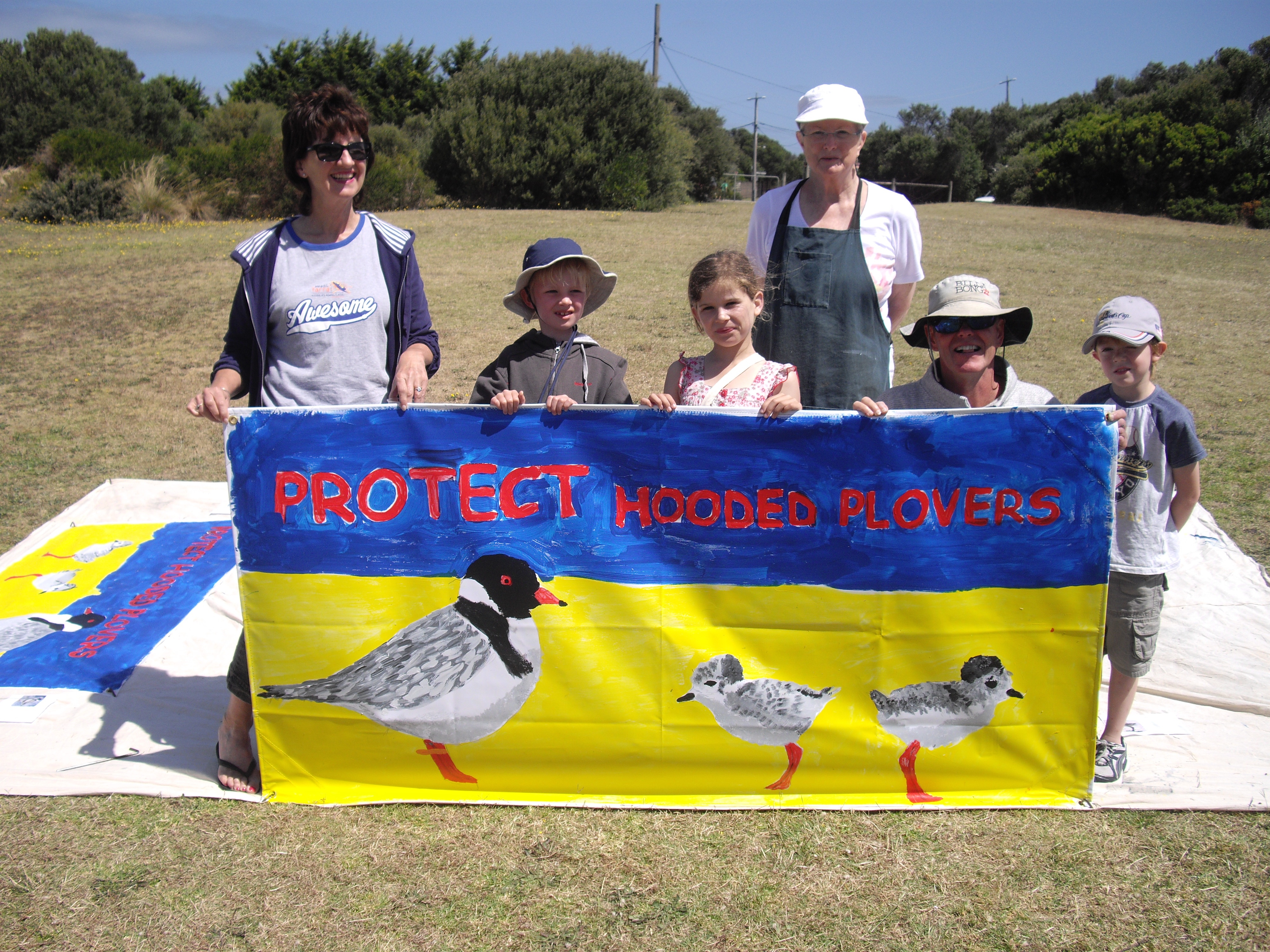
We had a community activity before the new year at St Andrews Beach where we invited kids to help us paint a banner for Hooded Plover conservation. In the end we managed to complete three. Below is one of the banners.
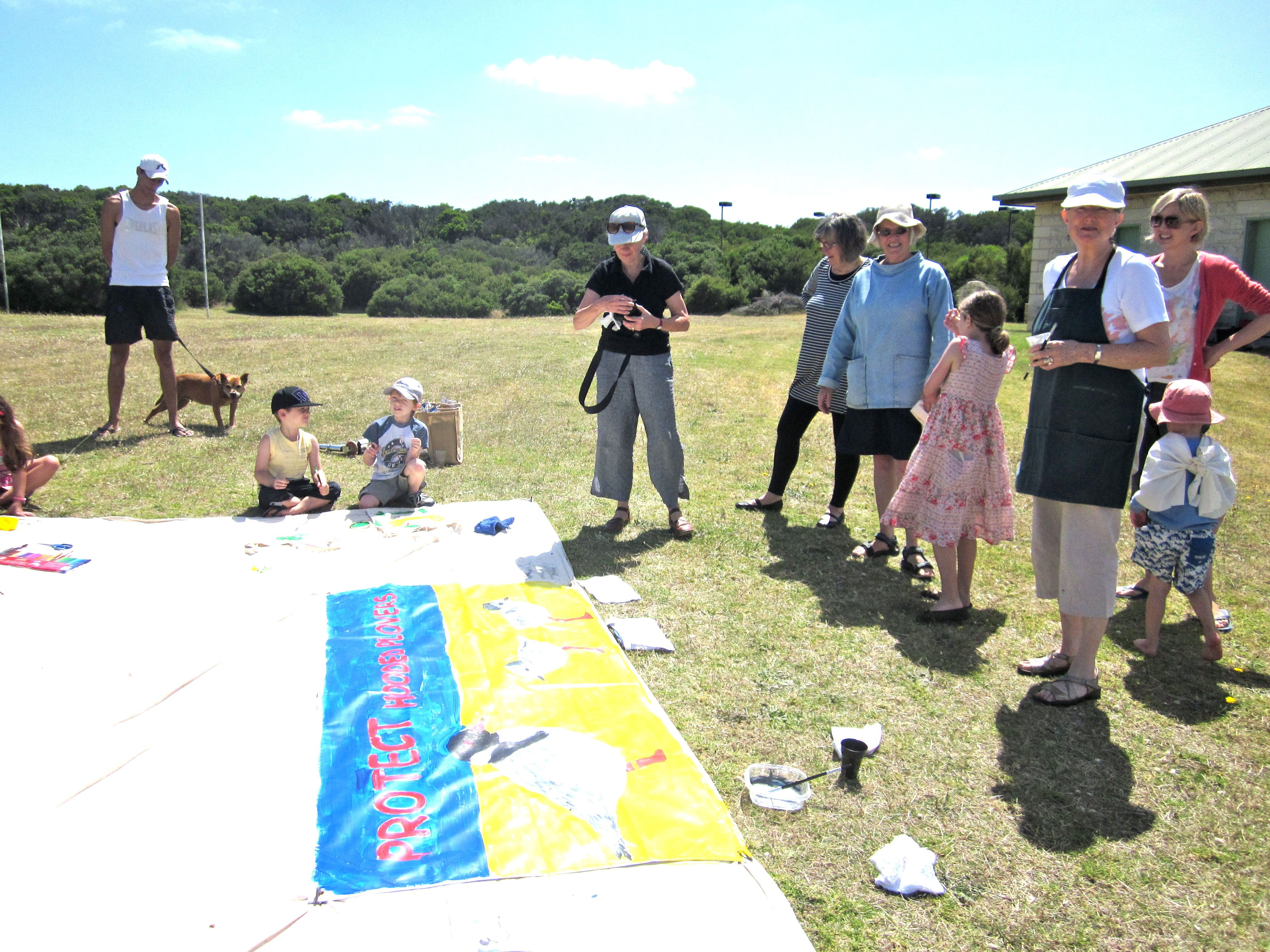
Today was the end of an activity that has been in the planning for a number of months for Hooded Plover conservation. It was a Banner Painting event at St Andrews beach on the Mornington Peninsula.
Vinyl banners were ordered and made, special flexible paint ordered from Coburg, brushes bought and a lot more combined with 15 to 20 people to paint three banners concentrating on Hooded Plover protection. And with other members of the Friends of the Hooded Plover on the Mornington Peninsula we pulled it off.
Ya for us !
We have little concrete statues all over the place. It can be a bit spooky.
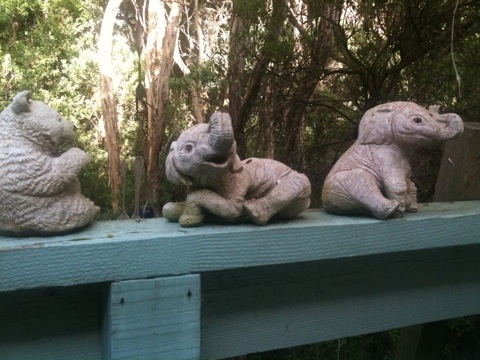
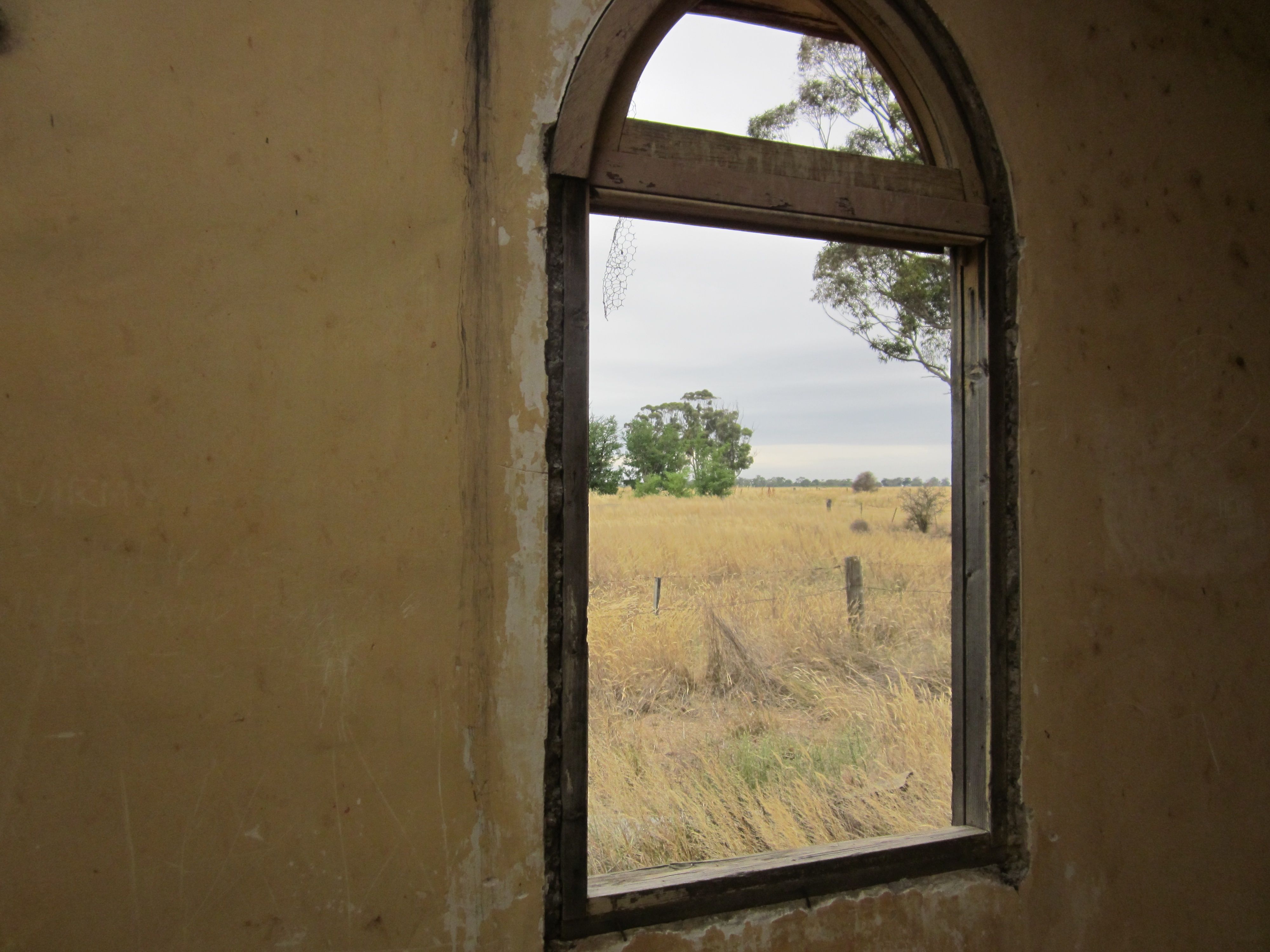
It’s been many years since I’ve been to a church but on the weekend, Mark and I paid a visit to a church at the Terricks Terricks in central Victoria.
Mind you, this church is not being used by the local human population. Much of the roof is missing, there’s no seating or leadlight in the windows. But there is a view out the windows that probably hasn’t changed for decades.
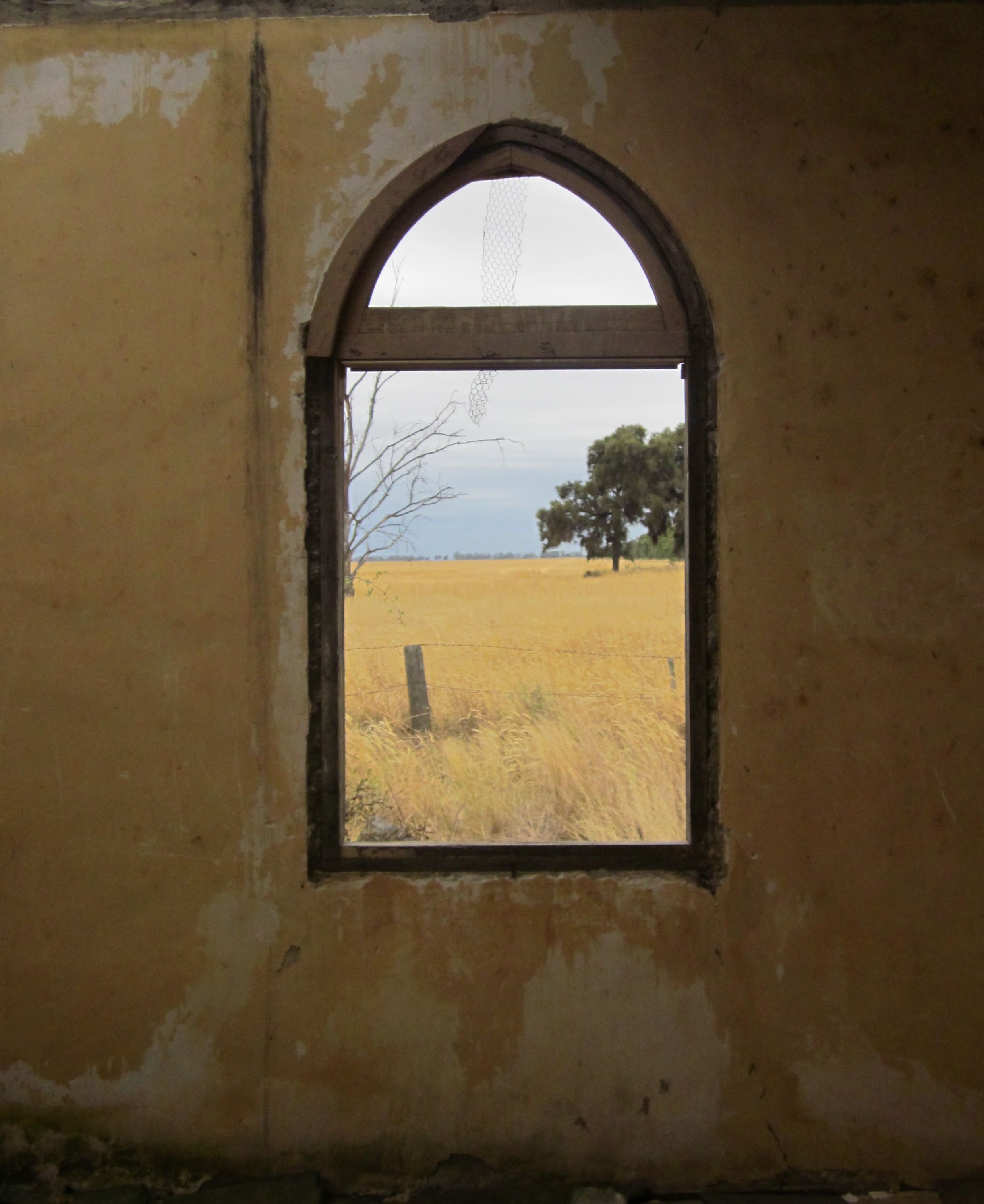
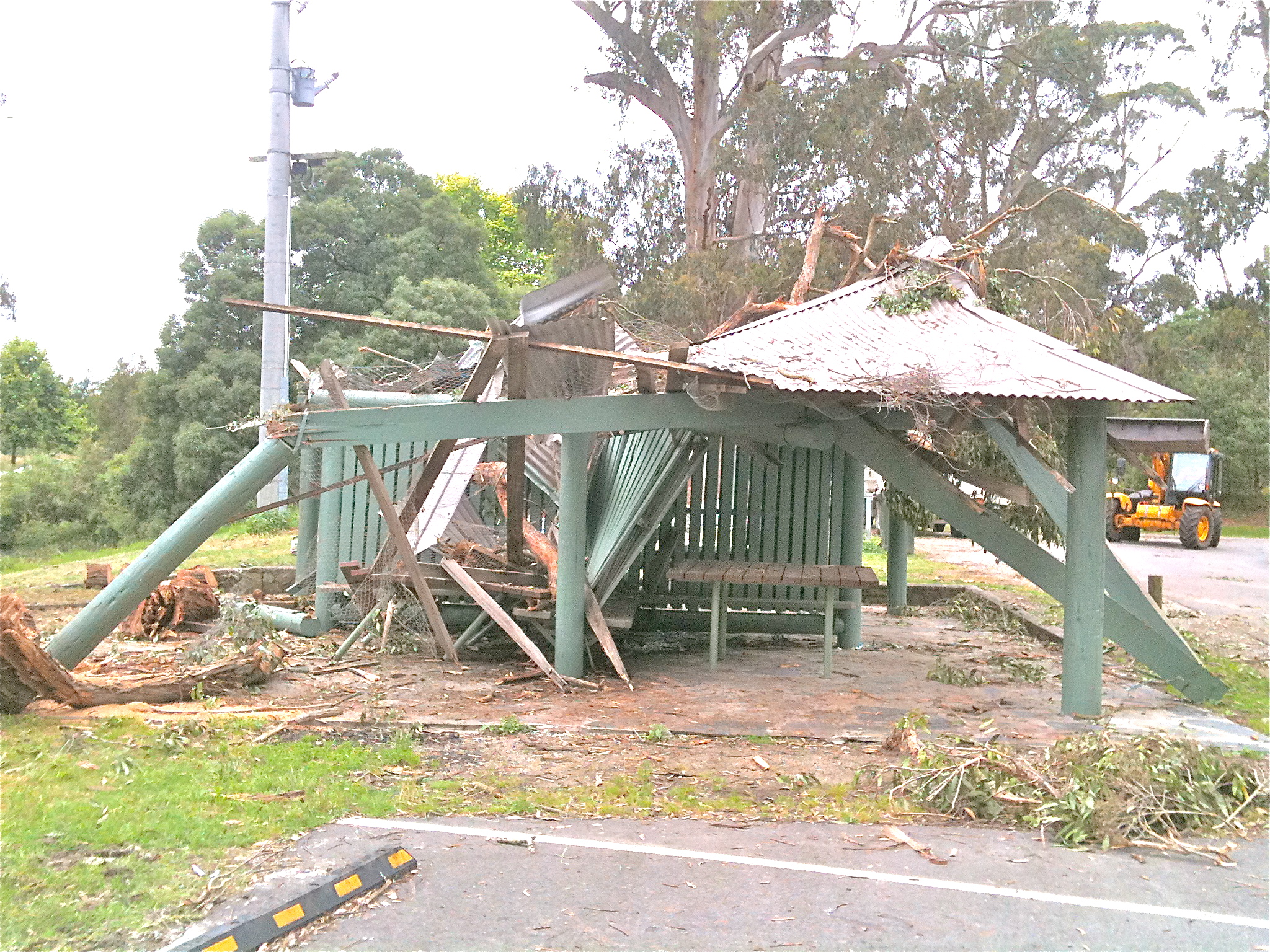
Sometimes, when driving in the Labertouche region, I drop into Picnic Point for a toilet stop. When I need to I get in under a picnic shelter to catch up on emails and/or do other things on the net but no more. In the last couple of days a tree has fallen onto the shelter and pretty much squashed it.
It’s a shame but there’s a good chance it will be replaced with a new shelter, maybe with a power point for my computer and a coffee maker. Unlikely I know but one can dream.
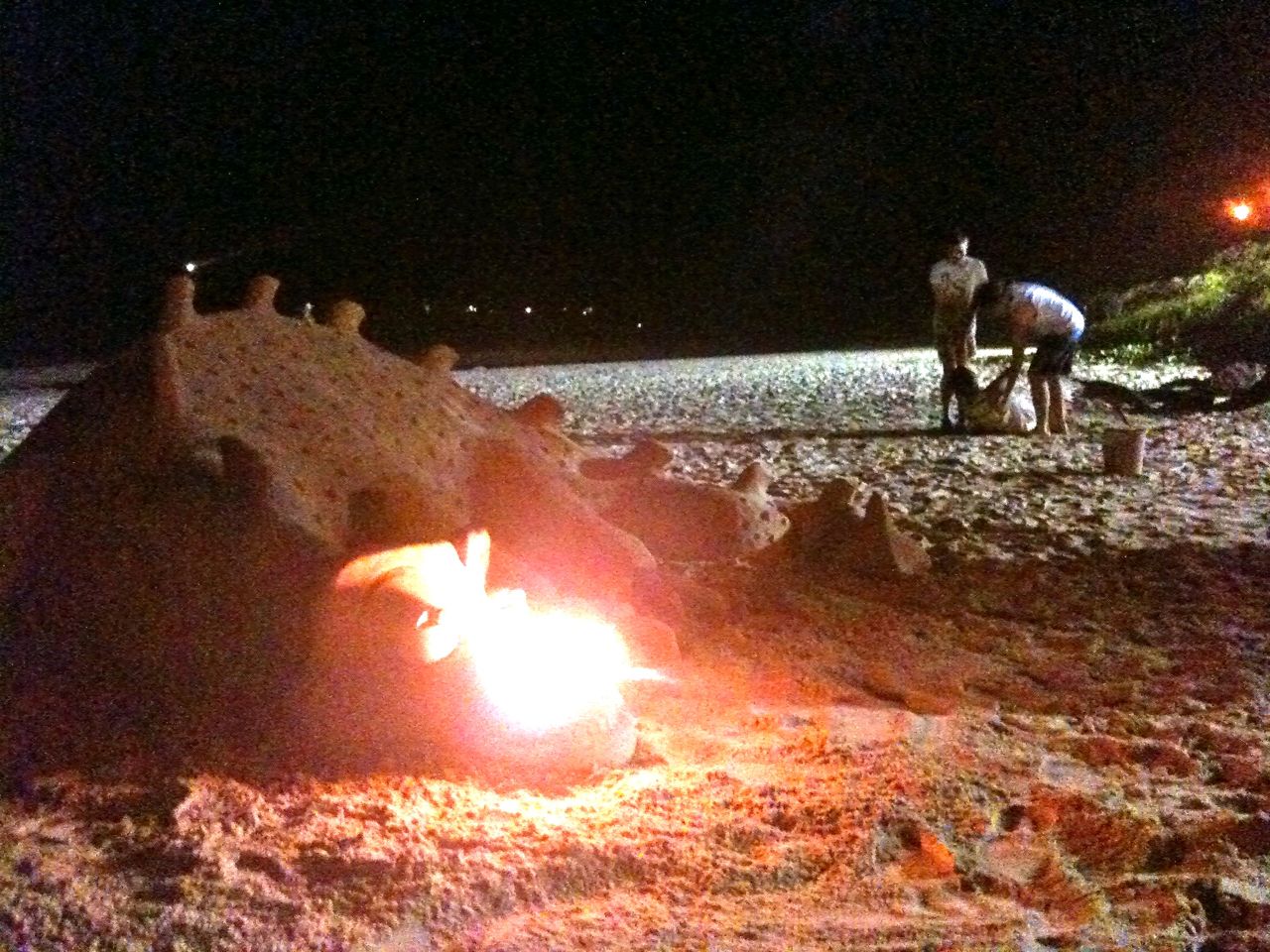
This Sand sculpture of a Dragon was on the main beach of Byron Bay a couple of weekends ago. It’s pretty good but the guy who made it pretty much does this for a living. I offered him a donation but he wanted a long neck of Tooheys Old instead.
So I bought him a long neck. Hard to believe, Tooheys is awful.
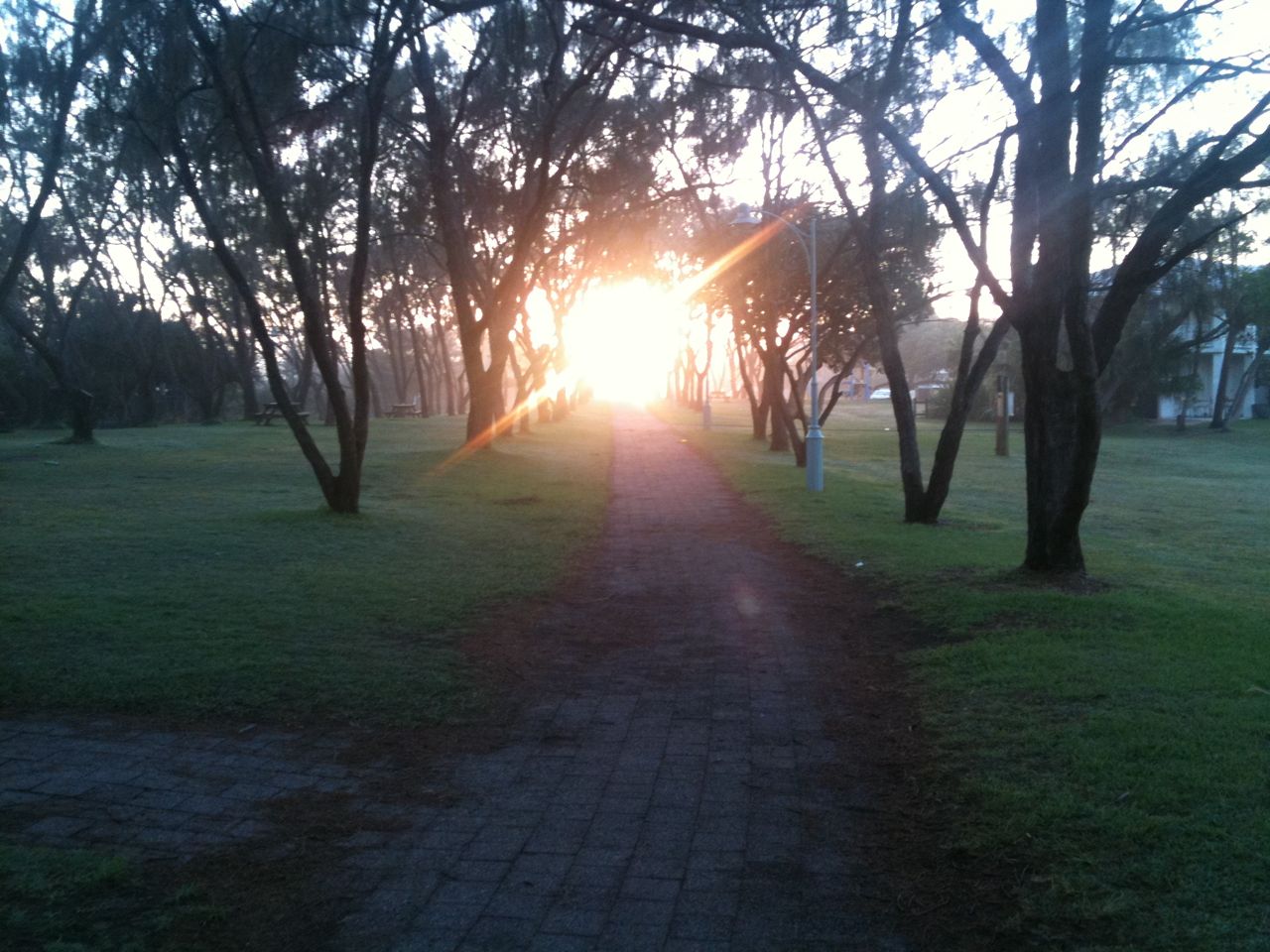
I often find it hard to capture a good sunrise. The camera may not reproduce the true colours or the expanse of the sky. But I’m happy with this shot. The main beach at Byron with the sun shining through the Alo Casurinas at the end of the pedestrian path.
Initially, standing next a turbine is fascinating. They are so large they dominate the paddock in which they are located. However, after a couple of days, the “wonder at man’s ingenuity” starts to fade.
Whilst the noise of the blades makes it hard to hear bird calls, in general they are not all that different to traffic noise but when the wind drops and the blades stop turning, the silence is remarkable.
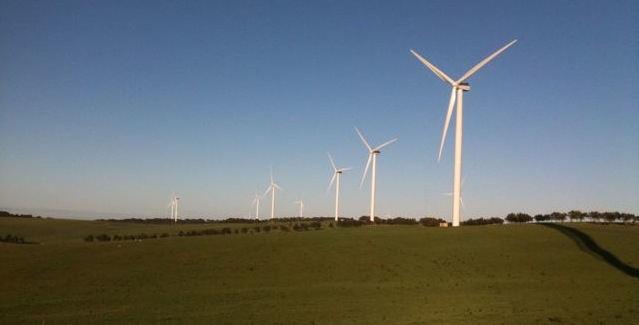
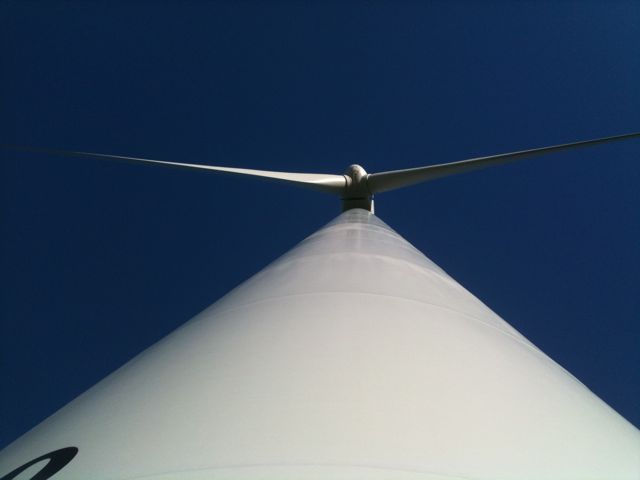

This is a very quick post about where I’m currently working. It’s called Oaklands Hill Wind Farm . Believe it or not I’m being paid to count birds. The link to information about the farm is below and below that is a photograph I have taken of my new car at work.
http://agk.com.au/oaklandshill/faqs.php

I’ve been busy of late which has reduced by ability to post things. It’s getting close to summer and my involvement with Hooded Plovers is taking up much of my time, see www.hoodedplover.com
In the mean time, the photograph below is a tree cut down a long time ago. The woodcutters used planks to get higher on the tree, don’t ask me why. Probably to get above the knotty wood and where the cutting would be easier. Hence the slot on the side of the stump, that’s where the plank was placed.
The area where the photograph was taken is called Mast Gully in the Dandenong Ranges. The tree most likely became a mast for a square rigger. Now it’s covered in ivy. The mast is productive but the ivy is just a shame.

 malbrown2